
AP Biology Students Explore Cutting-Edge Cancer Research at University of Arizona
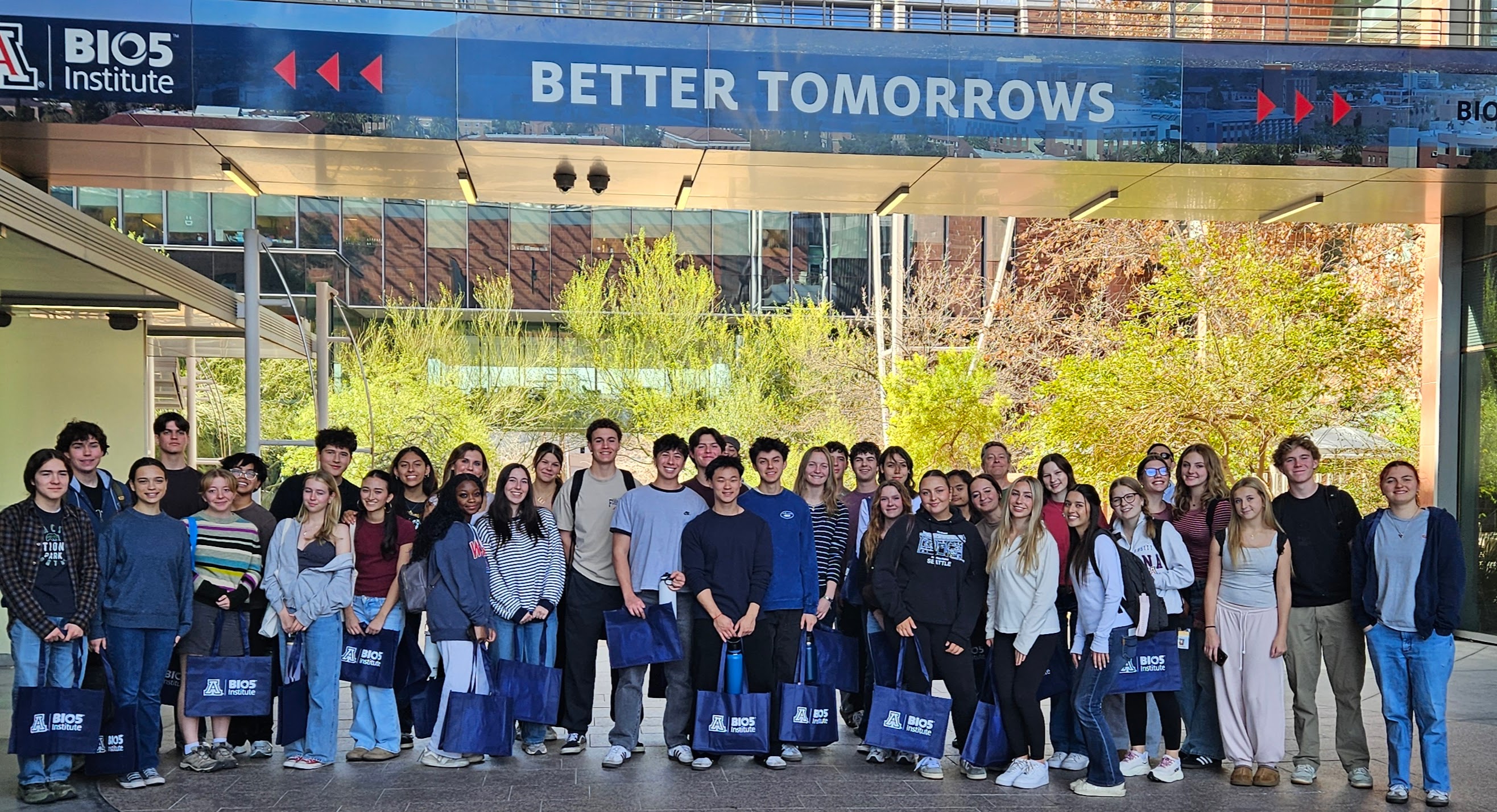 What does cancer research look like at the molecular level? How do scientists create artificial organs? What technology allows us to see inside individual cells? Mrs. Mazumdar's AP Biology students learned firsthand during a recent field trip to the University of Arizona Cancer Center and the BIO5 Institute, one of the nation's premier centers for bioscience research.
The visit gave students a rare behind-the-scenes look at the advanced scientific research happening right here in Tucson, connecting what they're learning in AP Biology to the real-world applications shaping the future of medicine.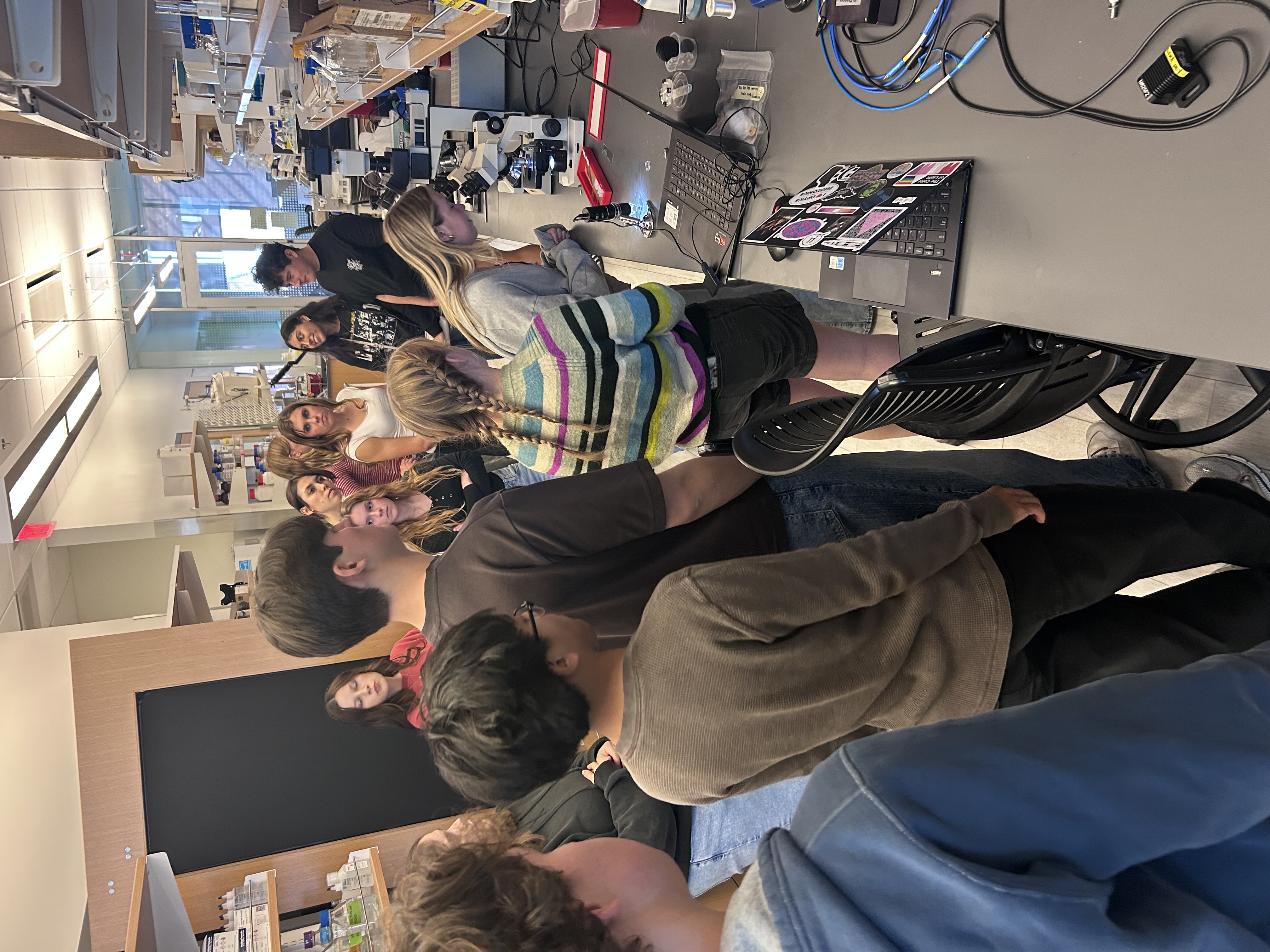 Students began their day in the Electron Microscopy Laboratory, where they observed high-resolution imaging of cells and cellular structures, revealing details thousands of times smaller than standard microscopes can resolve.
They also explored spatial molecular imaging technologies that illustrate how molecules are organized within tissues. This cutting-edge visualization helps researchers understand not just what's happening in cells, but where it's happening, which is critical information for understanding diseases like cancer.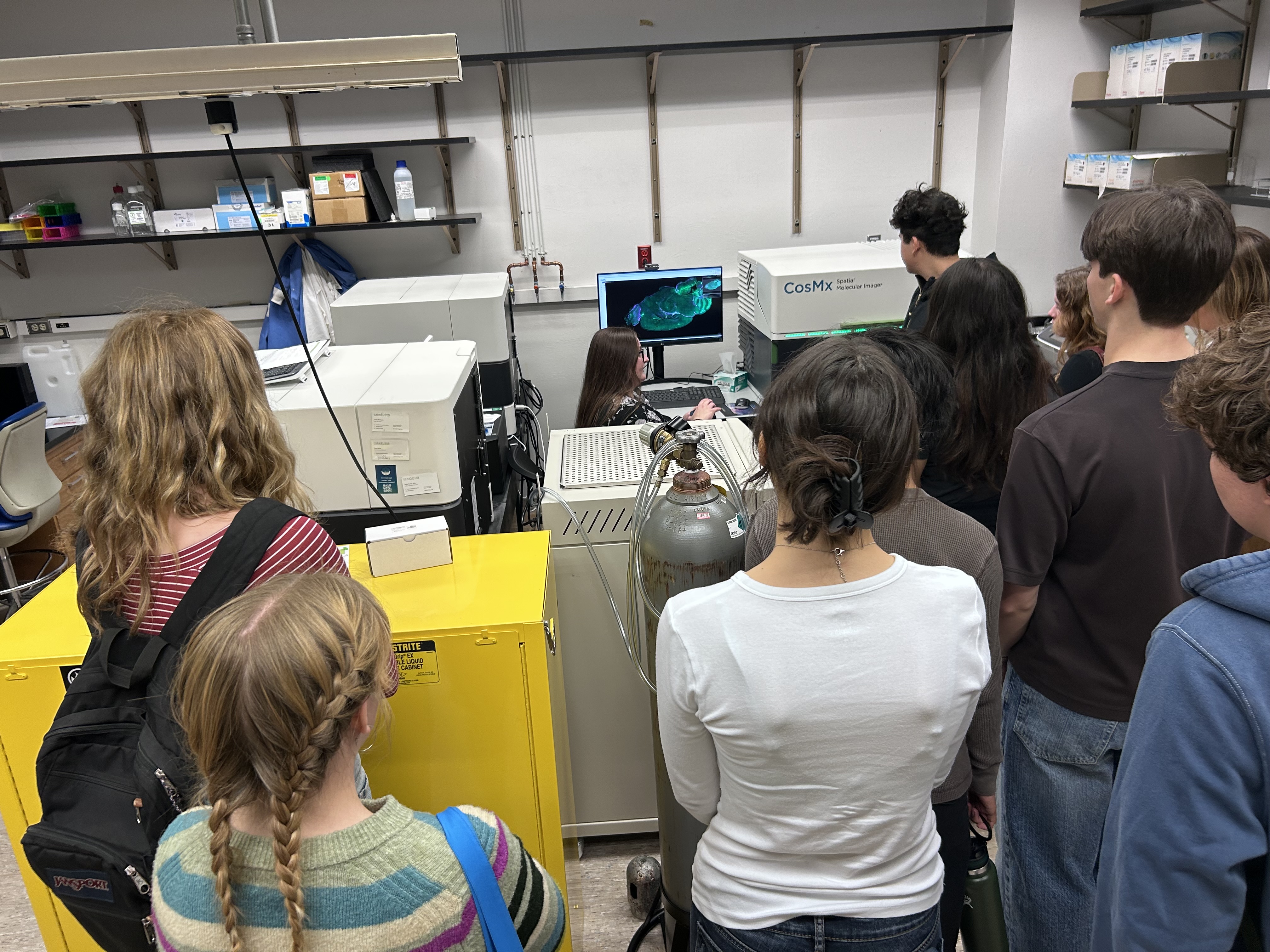 In Dr. Shang Song's lab, students learned about organ-on-chip systems, which are miniature devices that replicate the functions of human organs using engineering and biomaterials. Dr. Song's research focuses on creating artificial implantable organs by understanding and influencing cell behavior. For AP Biology students studying cell structure, function, and tissue organization, seeing this research in action brought abstract concepts to life. The idea that cells can be engineered to form functional organs isn't science fiction; it's happening in labs at the University of Arizona.
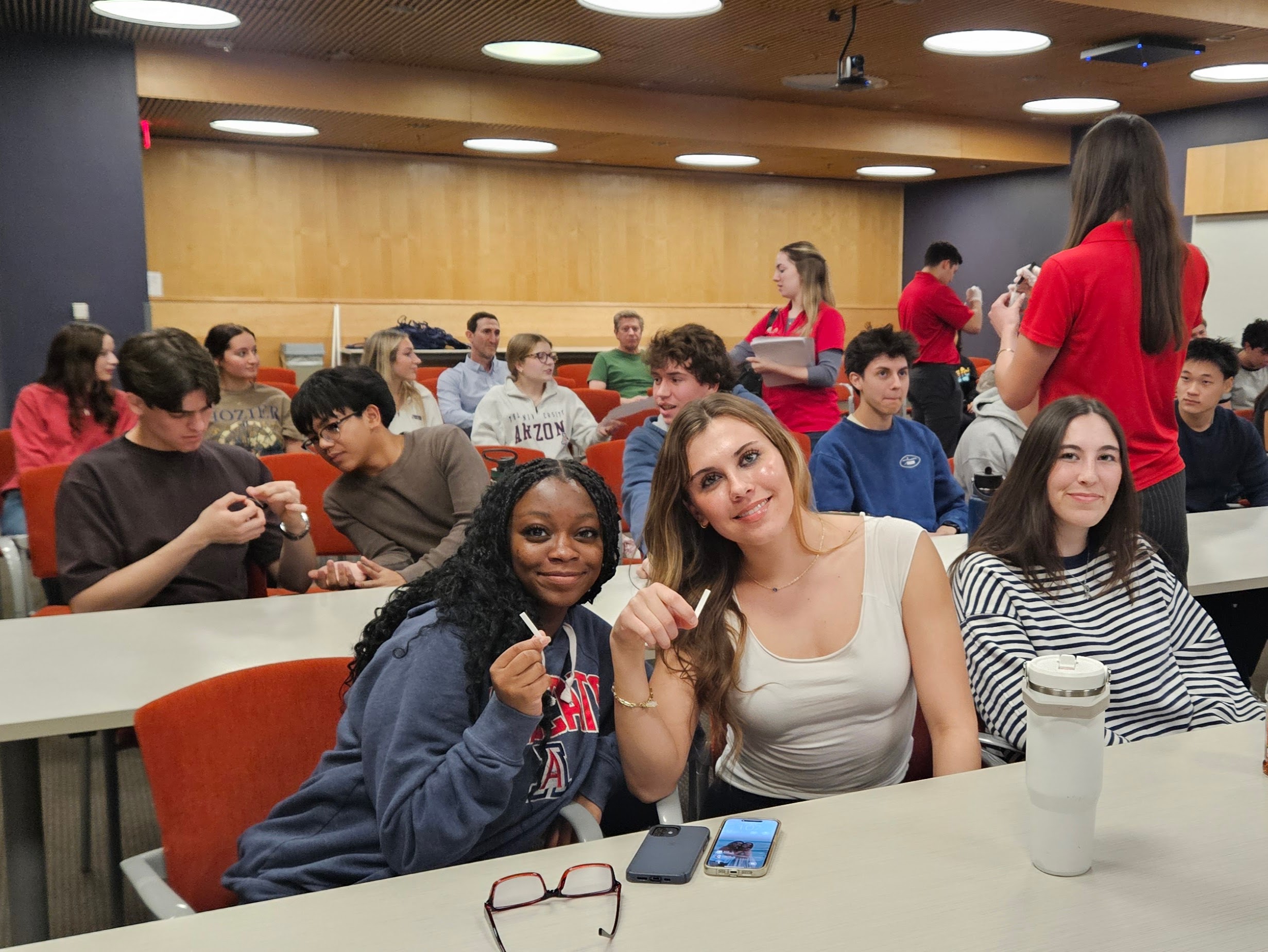 Students also visited Dr. Travis Sawyer's lab. Dr. Sawyer, an Assistant Professor of Optical Sciences and Health Sciences, develops innovative imaging techniques for early cancer detection. His work focuses on improving diagnostic tools for ovarian, skin, esophageal, and stomach cancers, which are often difficult to detect in early stages when treatment is most effective. Students learned how optics, engineering, and biology come together to create technologies that could save lives.
The final stop was the BIO5 Media Facility, where students discovered how scientific imaging and visualization are used to communicate complex biological research to the public, policymakers, and other scientists. Students saw how researchers translate intricate data into accessible visuals that help people understand groundbreaking discoveries.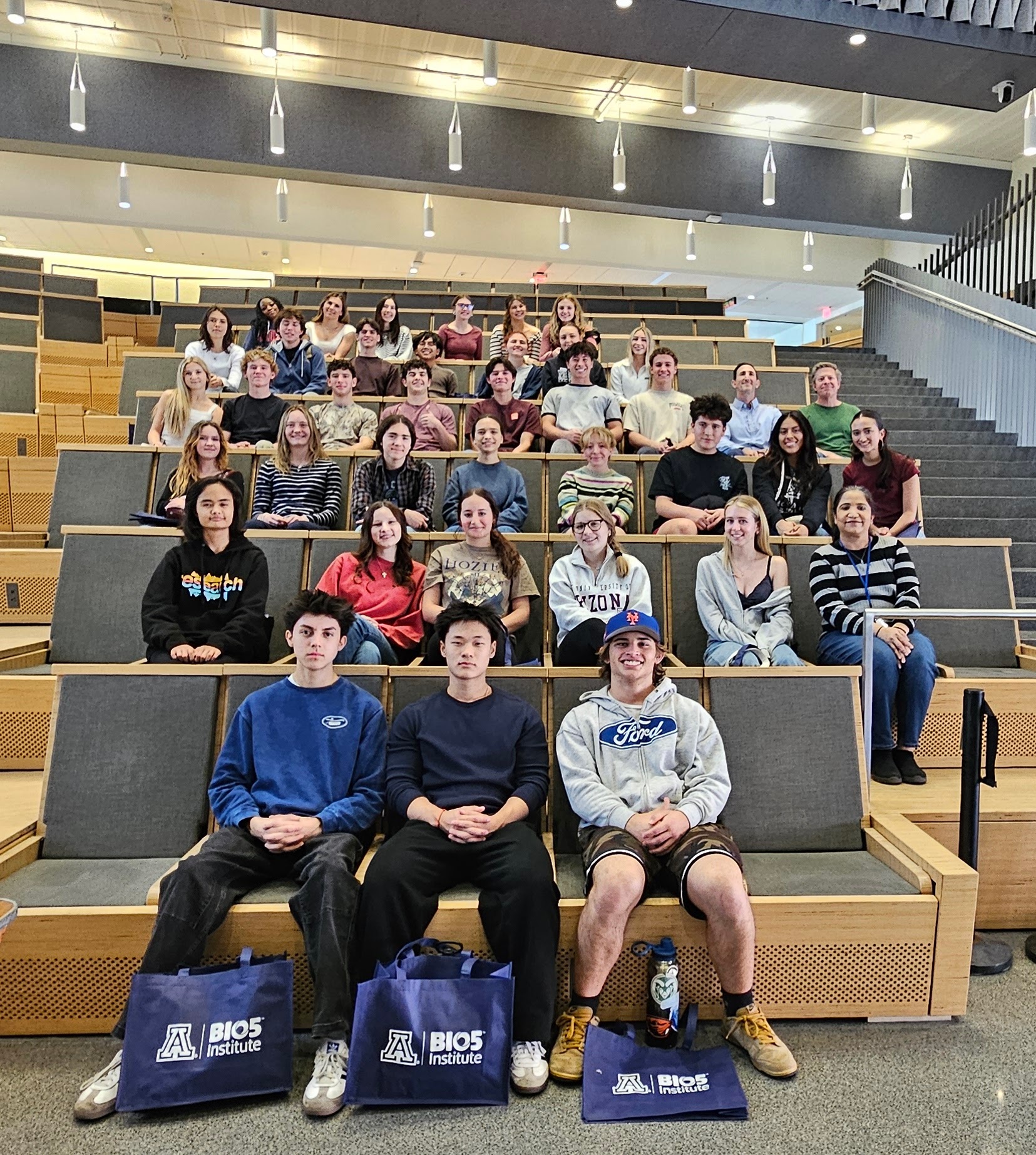 Connecting Curriculum to Real-World Research
This field trip wasn't just about seeing cool science; it was about building meaningful connections between classroom curriculum and advanced scientific research. AP Biology students study cell biology, molecular genetics, evolution, and disease. At the Cancer Center and BIO5 Institute, they saw those concepts applied to solving some of humanity's most pressing health challenges.
They met researchers who started exactly where these students are now, as curious high school students interested in biology, and who turned that curiosity into careers advancing medical science.
Thank you to Mrs. Mazumdar for organizing this incredible opportunity and to the University of Arizona Cancer Center and BIO5 Institute for opening their doors to our students. Experiences like this remind students that the biology they're learning the foundation for understanding life, health, and the innovations that will shape our future.
Who knows? A future breakthrough in cancer detection or organ engineering might come from a CFHS student who was inspired by what they saw on this field trip. Go Falcons!